


Процесс финишной обработки включает множество взаимодействующих переменных: тип абразивного материала, настройки машины, химия состава, качество воды, загрузка деталей и постобработка. Когда одна переменная выходит из нормы, может пострадать вся партия. Системный диагностический подход — вместо проб и ошибок — позволяет быстрее находить решения и получать более стабильные результаты.
Основная проблема: определите, что именно идёт не так
Когда детали выходят с дефектами поверхности, естественная реакция — сразу что-то изменить. Но без понимания того, какая переменная процесса вызывает проблему, такие изменения часто только ухудшают ситуацию. Первый шаг — точно охарактеризовать дефект.
- Шероховатость поверхности или царапины: слишком агрессивный или загрязнённый абразив, либо слишком длительное время цикла.
- Вмятины или следы ударов: слишком высокий контакт «деталь-деталь» или требуется корректировка соотношения абразива к деталям.
- Обесцвечивание или остатки: требуется внимание к концентрации состава, качеству воды или процессу сушки.
- Скруглённые кромки или потеря мелких элементов: избыточная обработка или слишком крупный абразив для геометрии детали.
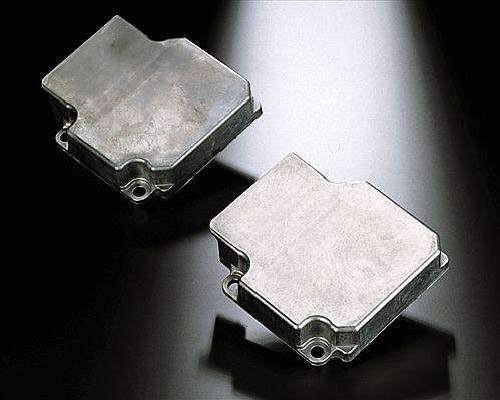
Диагностическая таблица: сопоставление симптома с первопричиной
| Симптом | Вероятная причина | Что проверить | Рекомендуемая корректировка |
|---|---|---|---|
| Качество поверхности нестабильно по всей партии | Неравномерное распределение абразива или контакт «деталь-деталь» | Соотношение абразива к деталям, загрузка машины, поток состава | Отрегулировать соотношение, уменьшить размер партии или добавить демпфирующий абразив |
| На деталях появляются неожиданные царапины или следы на поверхности | Загрязнённый абразив, неправильная форма абразива или чрезмерно агрессивный цикл | Проверить чистоту абразива, разделение и складские контейнеры на наличие смешанных материалов | Очистить или заменить абразив, протестировать более мягкую форму или меньший размер |
| Кромки скруглены или функциональные элементы утрачены | Избыточная обработка или слишком крупный абразив для геометрии детали | Измерить критические размеры до и после тестовых циклов | Сократить время цикла, использовать меньший абразив, уменьшить скорость или амплитуду машины |
| На поверхности виден остаток или плёнка после сушки | Грязный состав, плохое качество воды или неполное ополаскивание | Качество воды, концентрация состава, этапы ополаскивания и сушки | Использовать чистую воду, обновлять состав через правильные интервалы, улучшить процесс сушки |
| Яркость значительно различается между деталями | Разные исходные состояния поверхности или неравномерная обработка | Поверхность входящих деталей, сортировка партий, распределение абразива | Сортировать детали по исходному состоянию, обрабатывать отдельные партии для разных состояний поверхности |
Абразивы и выбор состава: сопоставление процесса с материалом
Выбор правильного абразива так же важен, как и настройка корректных параметров машины. Тип, размер и форма абразива определяют, как обрабатывается поверхность, а химия состава управляет режущим действием, очисткой и конечной яркостью.
- Для более тяжёлого удаления заусенцев: керамический абразив обеспечивает агрессивное режущее действие для ферросплавов и более твёрдых сплавов.
- Для мягких металлов и деликатных деталей: пластиковый абразив обеспечивает мягкое режущее действие, защищающее мелкие элементы.
- Для яркой финишной обработки: сочетайте мелкий абразив с совместимыми финишными составами для достижения нужной шероховатости и яркости.
Смотрите процесс в действии
Посмотрите, как оборудование для финишной обработки поверхности обрабатывает детали в реальных производственных условиях:

Создание контролируемой последовательности финишной обработки
Для наилучших результатов структурируйте процесс по этапам, а не пытайтесь получить финальную поверхность за один длинный цикл. Поэтапный подход позволяет контролировать каждую переменную отдельно и проверять результат перед переходом к следующему этапу.
1. Предварительное сглаживание
Используйте наполнитель средней зернистости для удаления заусенцев и уменьшения следов механической обработки. Поддерживайте умеренное время цикла и регулярно проверяйте прогресс.
2. Финишная обработка
Переключитесь на более мелкий наполнитель для достижения требуемого качества поверхности. Уменьшите скорость или амплитуду оборудования, если геометрия детали требует более бережной обработки.
3. Разделение и промывка
Аккуратно отделите детали от наполнителя. Если использовалась мокрая обработка, тщательно промойте чистой водой для удаления остатков состава.
4. Сушка и контроль
Быстро высушите детали, чтобы избежать пятен от воды. Осматривайте при верхнем и боковом освещении перед тем, как оценивать конечный результат.
Нужно подтвердить процесс перед серийным производством? Перешлите нам материал детали, фотографии, размеры, текущее состояние поверхности и требуемый финиш. Мы поможем определить, вызвана ли проблема наполнителем, настройками оборудования, составом, качеством воды или обращением после обработки.
Распространённые ошибки, которых следует избегать
- Только увеличение времени цикла. Более длительное время может увеличить нагрев, скругление кромок и повреждения деталей при контакте друг с другом, если первопричина — наполнитель или состав.
- Немедленный переход на более агрессивный наполнитель. Меньший размер наполнителя или другая форма часто решает проблему без риска повреждения поверхности.
- Игнорирование чистоты наполнителя. Грязный наполнитель, смешанные типы наполнителей или металлическая пыль в барабане могут царапать детали, которые должны полироваться.
- Пропуск тестовых циклов. Всегда сначала запускайте небольшую пробную партию, чтобы подтвердить процесс перед запуском полного производства.
- Перегрузка машины. Слишком большое количество деталей в одной партии может привести к ударным повреждениям, неравномерной обработке и увеличению времени цикла.
- Оценка деталей во влажном состоянии. Водяная плёнка может скрывать царапины и остатки до тех пор, пока сушка их не проявит. Осматривайте после сушки при правильном освещении.
Связанные решения
Эти страницы могут помочь вам сравнить подходящие машины, наполнители, составы и процессы:
Нужна экспертная консультация по вашему процессу финишной обработки?
Перешлите нам материал детали, фотографии, размеры, текущее состояние поверхности, требуемый финиш и размер партии. Наша команда поможет подобрать подходящие "машины для финишной обработки", наполнители, составы и направление тестового процесса для вашего конкретного применения. машины для финишной обработки Запросить поддержку по процессу →
 +86-592-2381506


 Поддержка сети IPv6