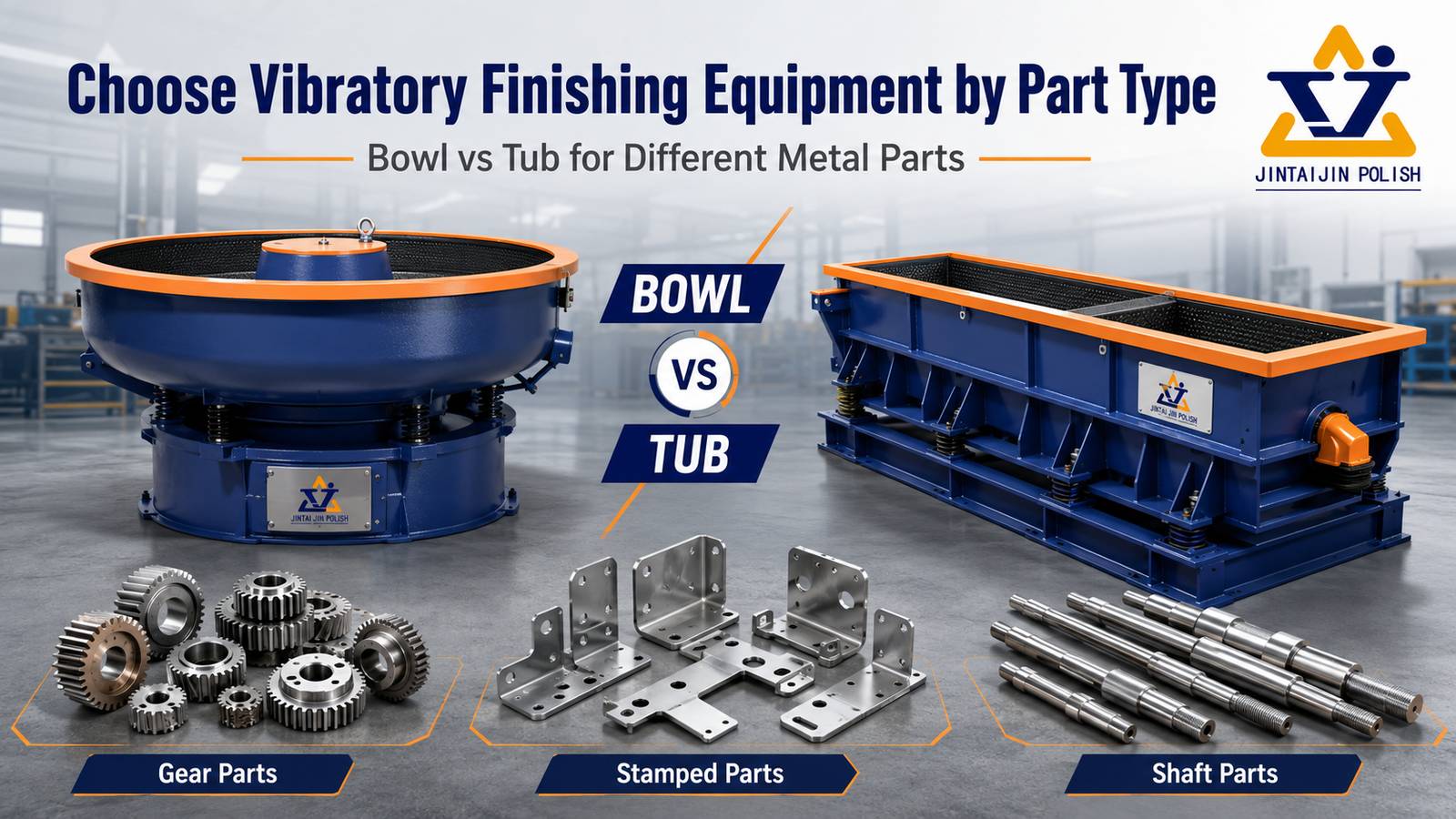
Как выбрать керамические или пластиковые наполнители для алюминиевых, латунных и стальных деталей
Краткий ответ:выбирайте керамические наполнители, когда приоритетом являются контролируемое снятие материала, удаление заусенцев или скругление кромок; выбирайте пластиковые наполнители, когда для более мягких металлов, декоративных поверхностей или более тонкой финишной обработки требуется процесс с меньшим воздействием и более мягким контактом. Правильный выбор по-прежнему зависит от геометрии детали, исходных дефектов, требуемой отделки, движения станка и результатов испытаний.
1. Начните с цели финишной обработки
Разделите цель на одну основную задачу и любые дополнительные задачи:
- Удаление заусенцев:удалить определённый заусенец, не повреждая резьбу, отверстия или уплотнительные поверхности.
- Скругление кромок:создать контролируемый радиус кромки, а не просто сделать кромку «гладкой».
- Сглаживание:уменьшить выступы и сгладить следы механической обработки или литья.
- Полировка:улучшить блеск или уменьшить шероховатость после подходящей предварительной обработки.
- Очистка:удалить масло, окалину или рыхлые остатки без чрезмерной обработки детали.
Открытые исследования связывают удаление материала и топографию поверхности с контактами частиц, параметрами процесса и исходным состоянием поверхности. Поэтому один и тот же наполнитель может вести себя по-разному на двух деталях, которые выглядят похожими, но имеют разную высоту заусенцев, твёрдость или геометрию.
2. Керамические и пластиковые наполнители: практическое сравнение
| Фактор выбора | Керамические наполнители | Пластиковые наполнители |
|---|---|---|
| Типичная роль | Резание, удаление заусенцев, скругление кромок, шлифование поверхности | Сглаживание с меньшим воздействием, полировка и работы с чувствительностью к разделению деталей |
| Характер контакта | Более высокая плотность может увеличить контактное давление и режущее действие | Более мягкий контакт может снизить воздействие на мягкие или декоративные поверхности |
| Типичное применение | Сталь, железо, алюминий, латунь и сложные заусенцы | Алюминий, латунь, пластики и детали, где важна защита от следов ударов |
| Основные риски | Чрезмерное скругление кромок, застревание наполнителя или повреждение внешнего вида при слишком агрессивной обработке | Более длительный цикл, износ наполнителя, чувствительность к пене/химии и недостаточное удаление заусенцев |
| Следующий лучший шаг | Контролируйте форму, размер, загрузку и время с помощью проверок радиуса кромки | Проверяйте разделение деталей, внешний вид поверхности, износ и стабильность времени цикла |
Это сравнение представляет собой систему выбора, синтезированную на основе официальных рекомендаций по средствам обработки и открытых исследований финишной обработки; оно не является обещанием того, что каждая керамическая или пластиковая формула будет вести себя одинаково.
3. Сопоставьте среду обработки с материалом и геометрией
Алюминий
Алюминию часто требуется достаточное режущее действие для удаления заусенцев, но чрезмерное воздействие или неподходящая химия могут привести к косметическим повреждениям или появлению остатков. Начните с менее агрессивного испытания, если деталь имеет тонкие стенки, видимые поверхности или уплотнительные поверхности. Используйте достаточно маленький размер среды обработки, чтобы достичь требуемых элементов, при этом убедившись, что она не может застрять в отверстиях или пазах.
Латунь
Латунные клапаны и фитинги требуют защиты резьбы, посадочных мест и уплотнительных поверхностей. Керамика может быть подходящей для контролируемого удаления заусенцев, тогда как пластик может быть предпочтительнее для более лёгкой стадии финишной обработки. Чётко определяйте цель: удаление заусенцев без повреждения резьбы отличается от яркой декоративной полировки. См. существующее руководство по латунным клапанам и фитингамруководство по латунным клапанам и фитингамдля рисков, связанных с конкретными деталями.
Сталь и нержавеющая сталь
Стальные детали могут выдерживать более сильное режущее воздействие, чем многие мягкие сплавы, но требуемым результатом всё ещё может быть контролируемое снятие кромки, а не максимальное удаление материала. Для небольших крепёжных деталей сравнивайте удаление заусенцев, состояние резьбы и отделение среды обработки в одной и той же записи испытания. Используйте руководство по удалению заусенцев с небольших крепёжных деталейв качестве контекста применения.
4. Форма, размер и три режима отказа для проверки
Форма и доступ среды обработки
Цилиндры, треугольники, формы с угловой резкой и другие геометрии по-разному ведут себя в пазах, отверстиях и углублённых областях. Меньший размер среды обработки может улучшить доступ, но также может увеличить сложность отделения или риск застревания. Выбирайте самый маленький размер среды обработки, который можно надёжно отделить после процесса, а не просто самый маленький доступный размер.
Удар деталей друг о друга
Смешанная загрузка, недостаточное покрытие средой обработки или неподходящее движение машины могут привести к столкновению деталей друг с другом. Проверяйте декоративные поверхности, тонкие стенки и острые элементы после каждого этапа испытания. Если повреждения от контакта недопустимы, изучите возможность использования крепления, другой категории машины или комбинации среды обработки и процесса с меньшим воздействием.
Чрезмерное скругление кромок
Удаление заусенцев и скругление кромок не означают удаление как можно большего количества материала. Записывайте высоту заусенца до обработки и радиус кромки после обработки. Если радиус кромки увеличивается сверх требований чертежа или сборки, уменьшите интенсивность резания, время цикла или агрессивность среды обработки перед изменением всей концепции машины.
5. Выбор машины и состава обработки
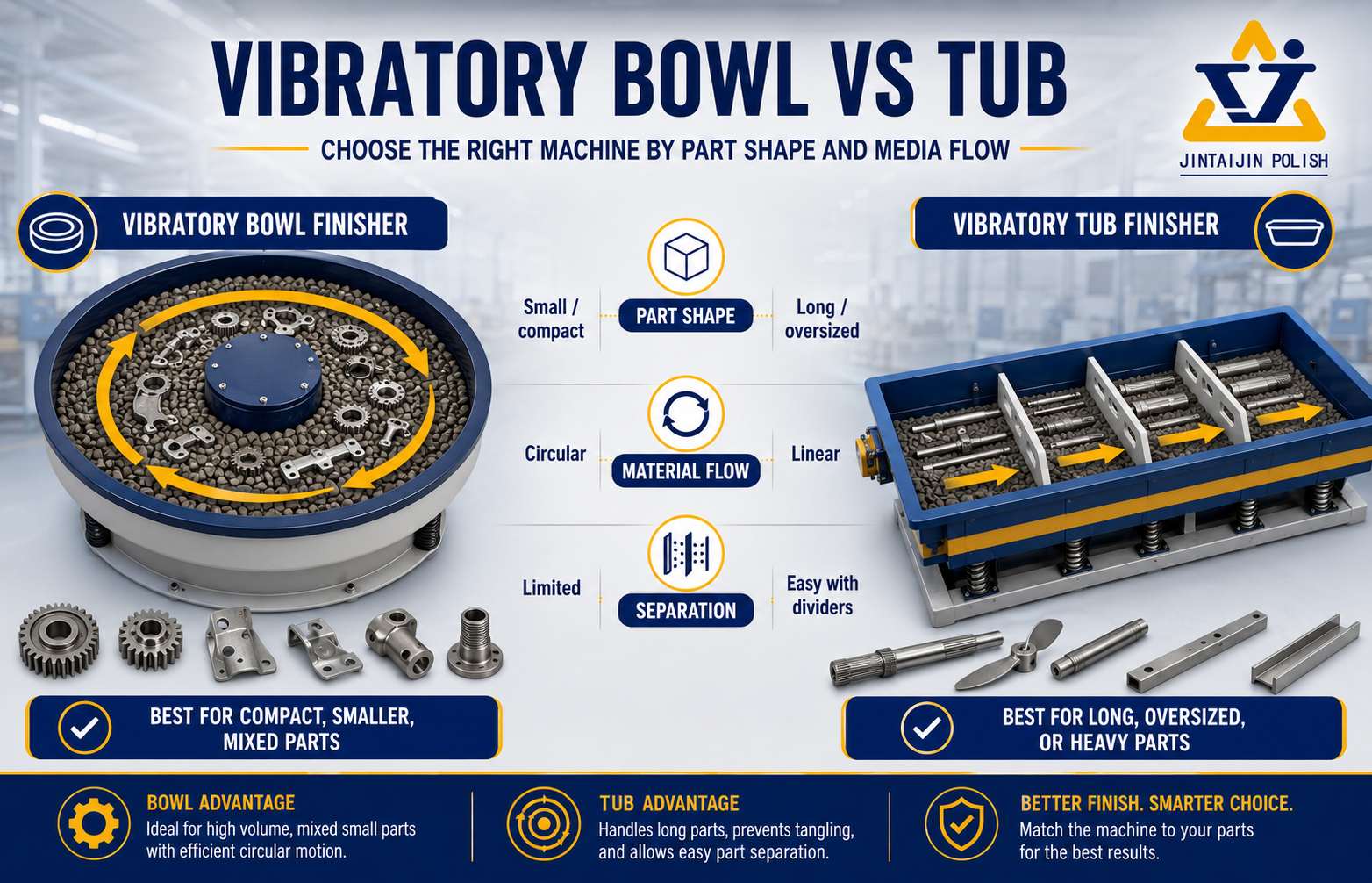
Среду обработки нельзя выбирать независимо от машины. Чаша, ванна, ротационный барабан, центробежный агрегат, установка с протяжной обработкой или магнитный полировщик создают различную картину контакта. Для более широкого решения по сравнению чаши и ванны и выбору производительности используйте существующее руководство по выбору вибрационной машиныДля небольших прецизионных компонентов и магнитных штифтов сравните страницу машины для магнитной полировки.
Мокрые процессы также зависят от состояния воды и состава обработки. Отслеживайте концентрацию, пену, загрязнение, pH или проводимость, если это важно для процесса. Сухая финишная обработка использует другую логику управления: среда, паста или порошок, вытяжка пыли и порядок на рабочем месте должны оцениваться вместе. Не переносите цикл мокрого процесса напрямую на сухую среду обработки.
6. Метод пробного испытания, который покупатели могут повторять
- Определите исходное состояние: материал, твёрдость (если известна), высоту заусенцев, дефекты поверхности и критические размеры.
- Обозначьте критические зоны: резьбы, отверстия, уплотнительные поверхности, декоративные поверхности и кромки, требующие заданного радиуса.
- Проведите небольшую серию испытаний: керамика против пластика, два размера среды обработки и два времени цикла. По возможности изменяйте только один параметр за раз.
- Записывайте тип машины, коэффициент загрузки, заполнение средой обработки, состояние состава обработки/воды, скорость или частоту и фактическое время цикла.
- Измеряйте высоту заусенцев, радиус кромки, Ra/Sa, если указано, визуальные дефекты и эффективность отделения среды обработки.
- Храните образцы и фотографии вместе с записью испытания. Утверждайте рецепт только после того, как повторные испытания покажут стабильные результаты.
Используйте печатную запись пробного испытания массовой финишной обработкидля сохранения возможности аудита сравнения.
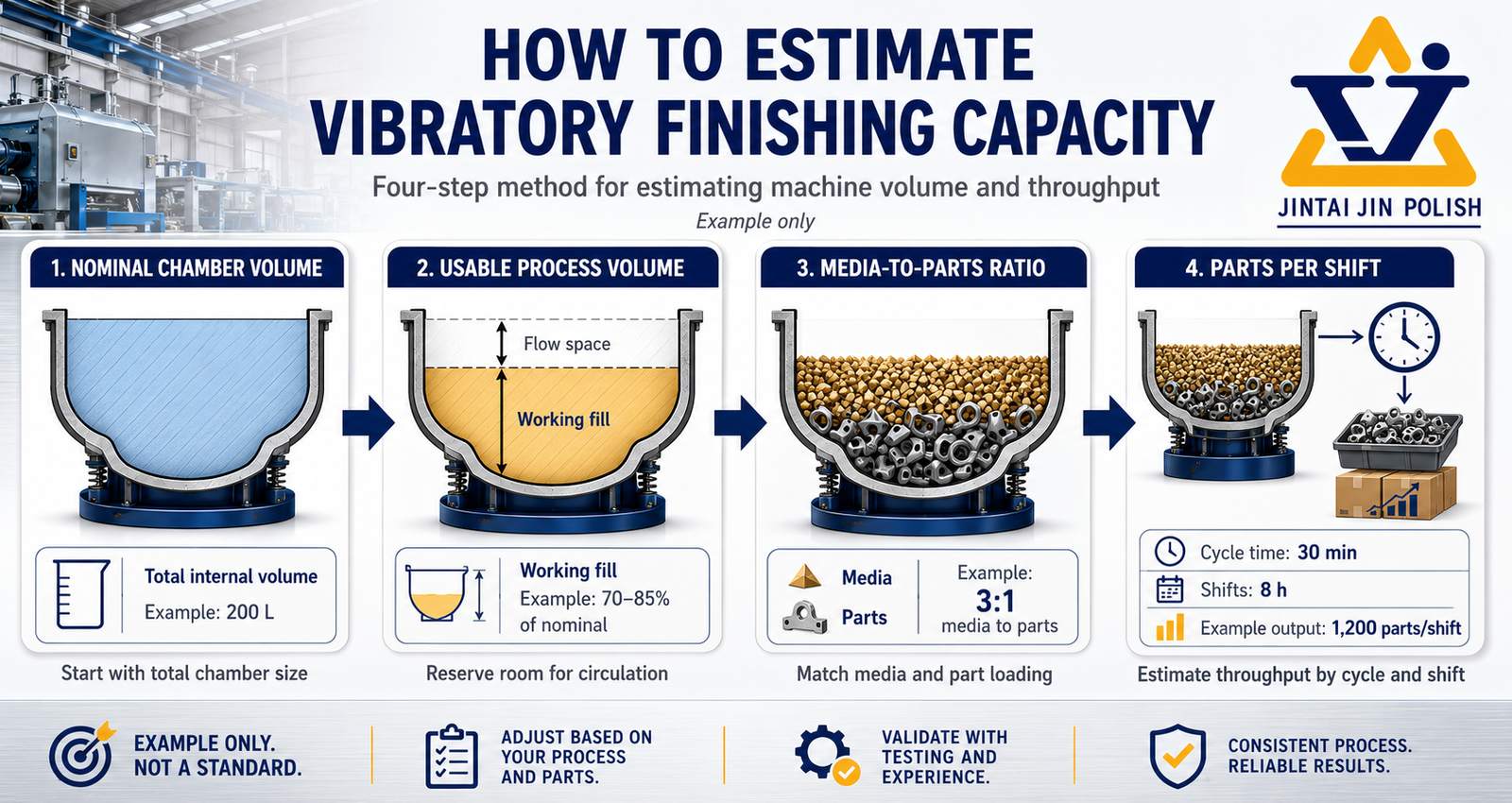
7. Контрольный список покупателя перед запросом коммерческого предложения
- Материал детали, твёрдость и состояние поверхности
- Размеры детали, вес, размер партии и производственная цель
- Минимальный размер отверстия/щели и любой риск застревания материала
- Критически важные кромки, резьбы, уплотнительные поверхности и декоративные поверхности
- Целевая высота заусенца, радиус кромки, шероховатость или визуальный стандарт
- Предпочтение влажного или сухого процесса, требования к обращению с водой и разделению
- Фотографии или чертежи, которыми можно поделиться для пробного испытания образца
Нужна помощь в выборе наполнителя?
Отправьте материал детали, геометрию, исходный дефект, целевую отделку и несколько репрезентативных образцов. Мы поможем определить матрицу испытаний и выявить параметры станка, наполнителя и состава, которые требуют подтверждения.
Основа источников и границы подтверждений
В этой статье обобщается общедоступная техническая информация от Rösler, OTEC и Walther Trowal, а также открытые исследования удаления материала, условий контакта, измерения шероховатости и постобработки аддитивного производства. Страницы производителей описывают их собственные системы и расходные материалы; результаты исследований применимы к указанным ими условиям испытаний. Производственные параметры, гарантии качества поверхности и заявления о соответствии требованиям требуют проведения испытания на репрезентативном образце.
 +86-592-2381506


 Поддержка сети IPv6