Как сократить объем ручного удаления заусенцев для мелких крепежных деталей
Ручное удаление заусенцев часто является скрытой статьей затрат в производстве мелких крепежных деталей. Операторы могут тратить часы на удаление острых кромок, очистку отверстий, доработку шероховатых поверхностей и исправление деталей, которые все равно выглядят непоследовательно. Проблема не всегда в операторе. Во многих случаях процесс массовой галтовки не соответствует форме детали, расположению заусенцев и требованиям к конечному внешнему виду.
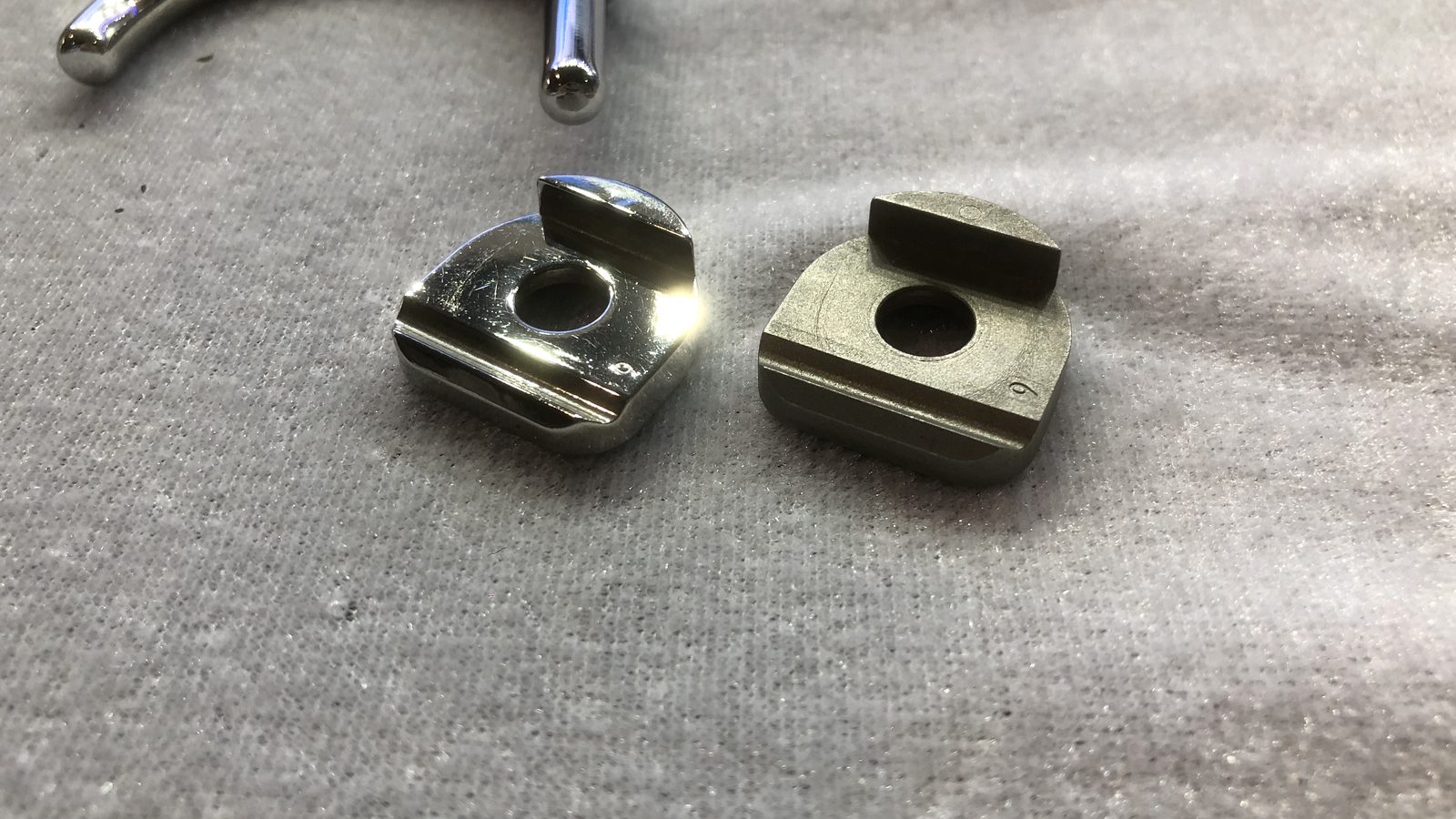
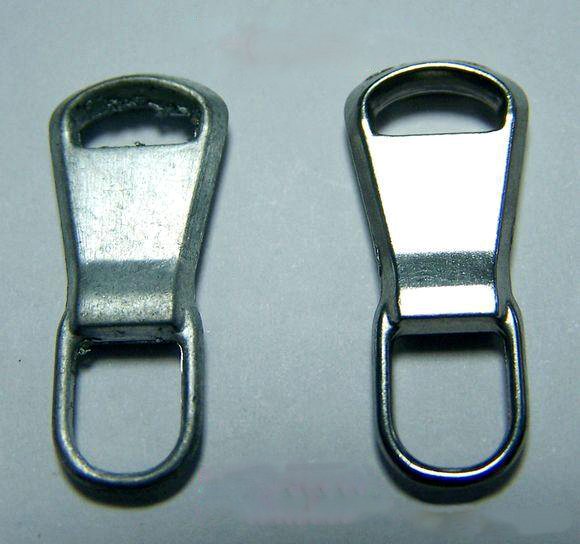
Мелкие крепежные детали, такие как пряжки, клипсы, бегунки молний, крючки, крепежные элементы, штампованные детали и небольшие литые фитинги, обычно имеют отверстия, пазы, тонкие кромки и видимые поверхности. Если процесс слишком слабый, заусенцы остаются. Если он слишком агрессивный, кромки закругляются, детали ударяются друг о друга или поверхность становится тусклой. Правильный процесс должен уменьшать объем ручной доработки, не создавая новых дефектов.
Почему после галтовки остается необходимость в ручном удалении заусенцев
Если после галтовки детали все еще требуют значительной ручной доработки, процесс финишной обработки обычно не учитывает одну из трех вещей: достаточный контакт в зоне заусенцев, подходящую режущую способность или стабильное движение деталей. Мелкие крепежные детали особенно чувствительны, потому что заусенцы часто расположены в отверстиях, штампованных кромках, крючках, узких пазах или внутренних углах.
Стандартный массовый процесс может полировать открытые поверхности, оставляя проблемные зоны нетронутыми. Поэтому деталь может выглядеть лучше после обработки, но все равно не пройти контроль качества из-за острых кромок или заусенцев в отверстиях.
Диагностика оставшейся ручной доработки
Перед изменением оборудования или покупкой нового абразива разделите ручную доработку на категории. Корректировка зависит от конкретного дефекта.
| Оставшаяся проблема | Вероятная причина | Что проверить | Рекомендуемая корректировка |
|---|---|---|---|
| Заусенцы остаются внутри отверстий | Абразив не достигает края отверстия или не проходит через него при вращении | Диаметр отверстия, размер абразива, форма абразива | Протестируйте более мелкий или лучше подходящий по форме абразив, но избегайте абразива, который может застревать |
| Внешние кромки чистые, но пазы все еще острые | Абразив перекрывает узкие пазы | Ширина паза, характер контакта абразива, время цикла | Используйте геометрию абразива, которая может входить в паз, не застревая |
| Детали без заусенцев, но с вмятинами на поверхности | Удары деталей друг о друга или слишком тяжелый абразив | Загрузка партии, соотношение деталей и абразива, мягкость материала | Увеличьте поддержку абразива, уменьшите загрузку партии или используйте более мягкий абразив |
| Поверхность становится тусклой после удаления заусенцев | Стадия обработки слишком агрессивна для финального внешнего вида | Класс абразива, состав компаунда, требования к конечной поверхности | Добавьте более тонкую финишную или полировальную стадию |
| Ручная сортировка замедляется после обработки | Застревание абразива или плохое отделение | Размер сита, отверстия, пазы, проемы деталей | Улучшите отделение и избегайте абразива, близкого по размеру к элементам детали |
Выбор абразива по расположению заусенцев
Для мелких крепежных деталей абразив следует выбирать по расположению заусенцев, а не только по материалу. Если заусенцы находятся на внешней кромке, может подойти множество форм абразива. Если заусенцы находятся внутри паза, отверстия или крючка, неправильный абразив может вообще не касаться заусенца.
Керамический абразив может обеспечивать более сильное резание для более твердых заусенцев, штампованных кромок и грубых литых поверхностей. Пластиковый абразив может быть более безопасным для мягких сплавов, декоративных деталей или поверхностей, которые легко повредить. Для многих мелких крепежных деталей следует проводить пробные испытания, сравнивая более одной формы и размера абразива.
Контроль контакта деталей друг с другом
Мелкие детали могут сильно сталкиваться, если загрузка партии слишком высокая или между деталями недостаточно абразива. Это может вызывать вмятины, царапины, загиб кромок или нестабильную яркость. Если операторам приходится вручную полировать следы ударов после галтовки, процесс фактически не экономит трудозатраты.
A "вибрационная галтовочная машина часто подходит для пакетного удаления заусенцев с крепежных деталей, но соотношение загрузки должно контролироваться. Детали должны двигаться вместе с абразивом, а не сталкиваться друг с другом в переполненной чаше.
Использование компаунда для поддержания чистоты процесса
Финишные компаунды помогают очищать поверхность, контролировать пенообразование, удерживать металлические частицы во взвеси и улучшать смазку. Без подходящего компаунда мелкие детали могут выходить серыми, липкими или с пятнами, что создает дополнительную очистку или полировку после удаления заусенцев.
Если вода в процессе быстро загрязняется или детали требуют протирки после обработки, проверьте концентрацию компаунда, поток воды, чистоту абразива и необходимость очистки машины.
Не используйте увеличение времени как первое решение
Увеличение времени цикла может уменьшить некоторые заусенцы, но также может закруглить функциональные кромки, увеличить износ абразива, создать следы ударов деталей друг о друга и сделать поверхность тусклой. Если заусенцы остаются только в определенных зонах, проблема обычно заключается в доступе контакта, а не во времени обработки.
Лучший метод тестирования — изменять только один параметр за раз: форму абразива, размер абразива, соотношение детали и абразива, компаунд или плотность загрузки. Фиксируйте результат, чтобы процесс можно было воспроизвести в производстве.
Когда оправдан второй этап
Некоторые крепежные детали невозможно качественно обработать за один этап. Может потребоваться первый этап для удаления заусенцев, а затем второй этап для сглаживания, повышения яркости или полировки. Это особенно полезно, когда клиент требует как безопасные кромки, так и чистую декоративную поверхность.
- Этап 1: удаление заусенцев и острых кромок с контролируемым резанием.
- Этап 2: улучшение однородности поверхности или яркости с помощью более тонкого абразива или полировальных сред.
- Финальная проверка: inspect отверстия, пазы, зоны крючков и видимые поверхности перед утверждением серийного производства.
Распространенные ошибки, увеличивающие ручной труд
- Выбор среды только по материалу, без проверки того, где расположены заусенцы.
- Использование среды, близкой по размеру к отверстию или пазу, что приводит к застреванию и замедлению сортировки.
- Перегрузка машины, приводящая к повреждению деталей друг о друга.
- Попытка удалить сильные заусенцы и получить яркую отделку за один агрессивный этап.
- Игнорирование загрязнённой технологической воды и остатков компаунда.
- Оценка успеха только по внешнему виду, без проверки времени ручной доработки после финишной обработки.
Связанные решения
Если вы пытаетесь сократить ручное удаление заусенцев для мелких крепёжных деталей, эти страницы помогут вам сравнить подходящие машины, наполнители и компаунды:
Нужно сократить ручное удаление заусенцев на вашем производстве крепежа?
Отправьте нам фотографии ваших деталей, материал, расположение заусенцев, размеры отверстий и пазов, текущие операции ручной доработки и требуемую степень отделки поверхности. JINTAIJIN может помочь оценить, требуется ли вашему процессу другой наполнитель, другая настройка оборудования, двухэтапный процесс или улучшенное разделение.
 +86-592-2381506


 Поддержка сети IPv6